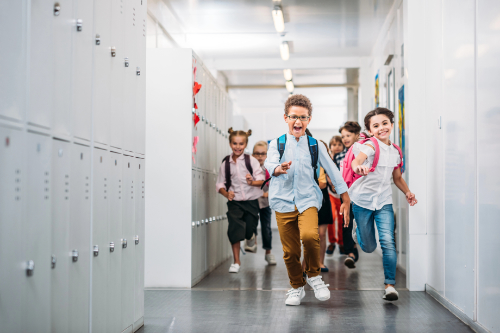
 As summer winds down and the new school year approaches, parents are busy shopping for school supplies, clothes, and backpacks. But while you’re checking items off your back-to-school list, there’s one crucial aspect of your child’s health that often gets overlooked – their spinal health. The transition back to school brings unique challenges for growing spines, from heavy backpacks to long hours sitting at desks. The good news is that with the right knowledge and preparation, you can set your child up for a healthy, comfortable school year while establishing habits that will benefit their spine for life.
Why Your Child’s Spine Health Matters More Than You Think
Your child’s spine is incredibly important, and not just for posture. The spine houses the spinal cord, which is essentially the main highway for communication between the brain and the rest of the body. When the spine is healthy and properly aligned, your child’s nervous system can function optimally, supporting everything from concentration and learning to physical coordination and overall well-being.
During the school years, children’s spines are still developing and growing. This makes them both more adaptable and more vulnerable to the stresses that school life can impose. Poor posture habits developed during childhood often persist into adulthood, potentially leading to chronic pain and other health issues later in life.
The modern school environment presents unique challenges that previous generations didn’t face. Children today spend more time sitting than ever before, often in poorly designed chairs that don’t support proper spinal alignment. Add to this the increasing weight of backpacks filled with textbooks, laptops, and supplies, and you have a recipe for spinal stress.
Research shows that back pain in children and teenagers has increased significantly over the past few decades. Studies indicate that anywhere from 20-50% of children experience back pain during their school years, with the percentage increasing with age. What’s particularly concerning is that children who experience back pain are more likely to have back problems as adults.
The good news is that many of these problems are preventable with proper education, good habits, and proactive care. By understanding the factors that affect your child’s spinal health and taking steps to address them, you can help ensure your child has a comfortable, successful school year.
The Heavy Truth About Backpacks and Your Child’s Spine
Let’s start with the most obvious concern – that backpack your child carries every day. The average school backpack weighs between 10-25 pounds, and some high school students carry backpacks weighing 30 pounds or more. To put this in perspective, many experts recommend that children carry no more than 10-15% of their body weight in their backpack.
When a backpack is too heavy, it forces your child’s body to compensate in ways that can stress the spine. They might lean forward to balance the weight, round their shoulders, or arch their back excessively. Over time, these compensatory postures can lead to muscle imbalances, joint dysfunction, and pain.
But weight isn’t the only factor – how the backpack is worn matters just as much. A backpack worn on one shoulder creates an uneven load that can cause the spine to curve sideways, potentially leading to functional scoliosis or muscle imbalances. Even when worn on both shoulders, an improperly fitted backpack can pull your child backward or forward, disrupting their natural spinal alignment.
Here’s how to choose and use a backpack properly: Look for a backpack with wide, padded shoulder straps that won’t dig into your child’s shoulders. The backpack should have multiple compartments to help distribute weight evenly, and it should include a waist belt for heavier loads. The back panel should be padded and contoured to fit comfortably against your child’s back.
When loading the backpack, place the heaviest items closest to your child’s back and use all available compartments to distribute weight evenly. Encourage your child to wear both shoulder straps and adjust them so the backpack sits close to their back without hanging away from their body. The bottom of the backpack should rest in the curve of the lower back, and the top shouldn’t extend above the shoulders.
Consider alternatives when possible. Many schools now provide lockers or allow students to keep sets of textbooks at home. Digital textbooks and tablets can significantly reduce weight, though they come with their own ergonomic considerations for screen time and posture.
Classroom Ergonomics: Setting Up for Spinal Success
The classroom environment plays a huge role in your child’s spinal health, yet it’s an area where parents often feel they have little control. While you can’t redesign your child’s classroom, you can teach them how to sit properly and advocate for better ergonomic practices when possible.
Proper sitting posture starts with feet flat on the floor (or on a footrest if needed) and knees at about a 90-degree angle. Your child’s back should be straight but relaxed, with the natural curves of their spine maintained. Their shoulders should be relaxed, not hunched up or rolled forward, and their head should be balanced over their shoulders, not pushed forward.
Unfortunately, many classroom chairs don’t support good posture, especially for younger children whose feet don’t reach the floor. If possible, speak with your child’s teacher about providing a footrest or adjusting the chair height. Some teachers are open to alternative seating options like stability balls or standing desks for part of the day.
Teach your child the importance of changing positions regularly. Even perfect posture becomes problematic when maintained for too long. Encourage them to shift in their seat, do shoulder rolls, or take brief standing breaks when appropriate. Many teachers are understanding about the need for movement breaks, especially when explained in terms of helping children focus and learn better.
For homework time at home, you have more control over the ergonomic setup. Invest in a proper desk and chair sized for your child, or adjust existing furniture to promote good posture. The desk should be at elbow height when your child is sitting with their arms relaxed at their sides. The computer screen (if used) should be at eye level to prevent neck strain.
Technology and Screen Time: Modern Challenges for Young Spines
Today’s students use technology more than ever, from tablets and laptops in the classroom to smartphones and gaming devices at home. While technology offers incredible educational opportunities, it also creates new challenges for spinal health that we’re only beginning to understand.
“Text neck” has become increasingly common among children and teenagers. This condition develops from repeatedly looking down at devices, causing the head to jut forward and creating excessive stress on the cervical spine. Over time, this can lead to headaches, neck pain, and even changes in the natural curve of the neck.
When your child uses a tablet or laptop, encourage them to position the screen at eye level whenever possible. For tablets, this might mean using a stand or prop. For laptops, an external keyboard can allow the screen to be raised while keeping the hands in a comfortable typing position.
Establish “tech breaks” where your child puts down devices and moves around. The 20-20-20 rule is helpful: every 20 minutes, look at something 20 feet away for 20 seconds. This helps rest the eyes and provides a natural reminder to check and correct posture.
Set limits on recreational screen time and encourage activities that promote good posture and spinal health. Sports, outdoor play, and even simple activities like walking the dog can help counteract the effects of prolonged sitting and device use.
Exercise and Movement: Building Strong Spines for Life
Regular physical activity is one of the best things you can do for your child’s spinal health. Exercise helps build the strong core muscles that support the spine, improves flexibility and posture, and promotes healthy bone development during the crucial growing years.
Core strength is particularly important for spinal health. The core includes not just the abdominal muscles, but also the back muscles, pelvic muscles, and diaphragm. These muscles work together to stabilize the spine and pelvis, providing a strong foundation for movement and reducing the risk of injury.
Swimming is an excellent activity for spinal health because it strengthens the core and back muscles while taking pressure off the spine. The buoyancy of water supports the body weight, allowing for strengthening without compression. Many of the movements in swimming also promote spinal flexibility and coordination.
Yoga and Pilates are increasingly popular among children and can be excellent for developing body awareness, flexibility, and core strength. These activities teach children to pay attention to their posture and alignment, skills that serve them well in all activities.
Even simple exercises can make a big difference. Encourage your child to do basic stretches before school, during homework breaks, and before bed. Simple movements like gentle neck rolls, shoulder shrugs, and touching their toes can help maintain flexibility and reduce tension.
Consider the child’s sports and activities as well. While all movement is generally good, some sports may create imbalances if practiced exclusively. For example, sports that involve repetitive motions in one direction (like tennis or golf) may benefit from cross-training activities that work the body in different planes of movement.
Sleep and Spinal Health: The Overnight Recovery
Quality sleep is crucial for your child’s spinal health, yet it’s often overlooked in discussions about back care. During sleep, the spine has a chance to rest and recover from the day’s activities. The discs between vertebrae rehydrate and expand, and muscles can relax and repair.
Your child’s mattress plays a crucial role in spinal health during sleep. A mattress that’s too soft may not provide adequate support, allowing the spine to sag into unnatural positions. A mattress that’s too firm might not accommodate the natural curves of the spine, creating pressure points and discomfort.
The ideal mattress provides support while contouring to your child’s body shape. Medium-firm mattresses often work well for most children, but individual preferences and needs may vary. If your child frequently wakes up with stiffness or soreness, it might be time to evaluate their sleep surface.
Pillow choice is equally important, especially for the neck and upper spine. The pillow should support the natural curve of the neck while keeping the head aligned with the spine. Side sleepers typically need a thicker pillow to fill the space between the shoulder and neck, while back sleepers usually do better with a thinner pillow.
Sleep position can also affect spinal health. Back sleeping is generally considered best for spinal alignment, with side sleeping as a close second. Stomach sleeping can strain the neck and lower back and is generally not recommended, especially for children with existing back or neck problems.
Nutrition for Strong Bones and Healthy Spines
Proper nutrition plays a vital role in spinal health, particularly during the school years when bones are still growing and developing. Calcium and vitamin D are essential for bone development, but they’re not the only nutrients that matter for spinal health.
Calcium is the building block of bones, and children need adequate amounts to develop strong, healthy spines. Good sources include dairy products, leafy green vegetables, almonds, and fortified foods. However, calcium needs vitamin D to be properly absorbed, which is why these nutrients are often discussed together.
Vitamin D can be obtained through sunlight exposure, certain foods like fatty fish and fortified milk, and supplements when necessary. Many children don’t get enough vitamin D, especially during the school year when outdoor time may be limited.
Protein is also important for bone health and for building the muscles that support the spine. Ensure your child gets adequate protein from sources like lean meats, fish, eggs, dairy products, beans, and nuts.
Anti-inflammatory foods can help reduce inflammation throughout the body, including in the spine. Encourage your child to eat plenty of fruits and vegetables, particularly those rich in antioxidants like berries, leafy greens, and colorful vegetables.
Proper hydration is often overlooked but is crucial for spinal health. The discs between vertebrae are largely composed of water, and staying well-hydrated helps maintain their height and shock-absorbing properties. Encourage your child to drink water throughout the day, not just during physical activity.
Warning Signs: When to Seek Professional Help
While minor aches and pains are common as children grow and become more active, certain signs warrant professional attention. As a parent, knowing what to watch for can help you catch potential problems early when they’re most treatable.
Persistent pain that lasts more than a few days or interferes with your child’s activities should be evaluated. This is especially true if the pain is severe, gets progressively worse, or is accompanied by other symptoms like numbness, tingling, or weakness.
Changes in posture that develop suddenly or become more pronounced over time can indicate underlying problems. This might include one shoulder appearing higher than the other, the head tilting to one side, or an apparent curve in the spine when viewed from behind.
Difficulty sleeping due to back or neck pain, frequent headaches, or complaints of stiffness and soreness that don’t improve with rest and gentle movement are all reasons to consider professional evaluation.
Behavioral changes related to pain, such as avoiding previously enjoyed activities, difficulty concentrating, or increased irritability, can also be signs that your child is dealing with significant discomfort.
Remember that children often don’t complain about pain the way adults do. They might adapt their activities or behaviors to accommodate discomfort without verbalizing their problems. Pay attention to changes in how your child moves, sits, or participates in activities.
Creating Healthy Habits That Last a Lifetime
The habits your child develops during their school years often persist into adulthood, making this an ideal time to establish healthy patterns that will serve them throughout their lives. Teaching spinal health isn’t just about preventing problems during childhood – it’s about setting the foundation for lifelong wellness.
Make spinal health a family priority by modeling good habits yourself. Children learn more from what they see than what they’re told, so demonstrate proper posture, take movement breaks, and prioritize your own spinal health.
Create routines that support spinal health, such as a morning stretch routine, regular homework breaks for movement, and a bedtime routine that includes gentle stretches. When these activities become part of your child’s daily routine, they’re more likely to continue them as they grow older.
Teach your child to listen to their body and speak up when something doesn’t feel right. Encourage them to take breaks when they feel stiff or sore, and praise them for making healthy choices like adjusting their posture or taking movement breaks.
Consider regular chiropractic check-ups as part of your child’s preventive healthcare routine. Just as you take your child for regular dental and vision check-ups, periodic spinal evaluations can help catch and address problems before they become serious.
Setting Your Child Up for Success
Preparing your child for a healthy school year goes beyond buying the right supplies – it includes setting them up for spinal health success. By implementing these strategies and making spinal health a priority, you’re giving your child tools that will benefit them not just during the school year, but throughout their lives.
Remember that small changes can make a big difference. You don’t need to overhaul your child’s entire routine overnight. Start with one or two changes, such as properly fitting their backpack or creating a better homework setup, and gradually add other healthy habits as these become routine.
The investment you make in your child’s spinal health now can pay dividends for decades to come. Children who learn good posture habits, understand the importance of regular movement, and develop strong, flexible spines are more likely to maintain these advantages as adults.
Is your child ready for a spine-healthy school year? Call our office today to schedule a back-to-school spinal check-up for your child. We’ll assess their posture, evaluate their backpack fit, and provide personalized recommendations to keep their spine healthy throughout the school year. Our pediatric-friendly approach makes the experience comfortable and educational for both you and your child. Don’t wait for problems to develop – take a proactive approach to your child’s spinal health and give them the foundation for a lifetime of wellness.
Frequently Asked Questions About Children’s Spinal Health and School
At what age should I start worrying about my child’s posture and spinal health?
It’s never too early to start promoting good spinal health habits! Even toddlers can learn basic concepts about sitting up straight and moving regularly. However, the school years (ages 5-18) are particularly important because this is when children spend long periods sitting and carrying backpacks, and their spines are still developing.
How heavy is too heavy for a school backpack?
The general recommendation is that a child’s backpack should weigh no more than 10-15% of their body weight. For a 70-pound child, this means a maximum of 7-10.5 pounds. However, even within this range, pay attention to how your child carries the backpack and whether they experience any discomfort.
Should I be concerned if my child complains of back pain occasionally?
Occasional minor aches after physical activity or growth spurts are normal. However, frequent complaints, pain that interferes with activities, or pain accompanied by other symptoms like numbness or tingling should be evaluated by a healthcare professional.
Are rolling backpacks better for my child’s spine?
Rolling backpacks can be helpful for very heavy loads, but they’re not always practical for school environments with stairs, crowded hallways, or outdoor terrain. If your child uses a rolling backpack, make sure they can still lift and carry it when necessary without strain.
How can I tell if my child’s classroom setup is affecting their posture?
Watch for signs like your child frequently complaining of discomfort during or after school, changes in posture, or reluctance to participate in physical activities. You can also ask your child about their classroom setup and speak with their teacher about ergonomic concerns.
Is it normal for teenagers to have back pain?
While back pain has become more common in teenagers, it’s not necessarily “normal” and shouldn’t be ignored. Teenage years involve rapid growth, increased academic demands, and often poor posture habits, all of which can contribute to spinal problems that benefit from professional attention.
What sports are best for my child’s spinal health?
Swimming is often considered ideal because it strengthens core muscles while minimizing spinal compression. However, most sports offer benefits when practiced with proper technique and balanced with other activities. The key is avoiding overspecialization in any single sport too early.
How much screen time is too much for my child’s spine?
Rather than focusing solely on time limits, emphasize frequent position changes and proper ergonomics. Encourage breaks every 20-30 minutes, ensure devices are positioned at appropriate heights, and balance screen time with physical activity.
Should my child sleep with a pillow?
Most children benefit from using a pillow that supports their neck’s natural curve. The right pillow depends on their preferred sleep position and body size. Side sleepers typically need thicker pillows, while back sleepers usually do better with thinner ones.
When should I consider taking my child to a chiropractor?
Consider chiropractic care if your child experiences persistent pain, posture problems, frequent headaches, or movement difficulties. Many parents also choose regular check-ups as preventive care, similar to dental visits. Chiropractic care is generally safe and effective for children when provided by properly trained professionals.
For More Information
We would be happy to answer any questions you have about this article, general spinal health or your specific situation. To discuss your symptoms and concerns call (208) 656-8883.
DID YOU ENJOY THIS ARTICLE?
If so, get email updates for free! Just leave your email address in the field provided below and we'll handle the rest.
NEED TO SCHEDULE AN APPOINTMENT?
Then call Dr. Todd Orchard at (208) 656-8883 today!
Orchard Chiropractic
160 E. Valley River Drive #3
Rexburg, Idaho 83440
How We Are Different
Dr. Orchard is a unique Rexburg chiropractor who specializes in difficult cases that have not responded to other care. All treatment plans are highly individualized based on your specific history, needs and goals.
Areas We Serve
We are located in Rexburg and serve the communities that reside in zip codes 83440, 83460, 83442, 83448, and 83445. However, we see patients from a large radius around Rexburg which include Brigham Young University, Rigby, Sugar City, and St. Anthony because of the unique, customized treatment options we offer.