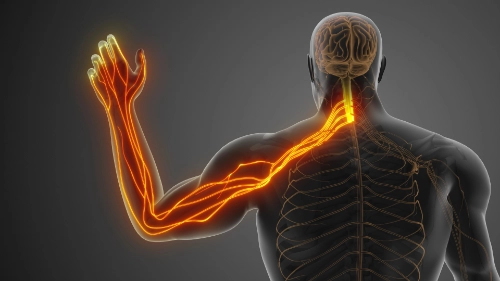
 A sharp, shooting pain that travels from your neck down through your shoulder, arm, or fingers is hard to ignore — and even harder to live with. If that description sounds familiar, you may be dealing with cervical radiculopathy, a condition commonly known as a pinched nerve in the neck. The encouraging news is that chiropractic care is one of the most effective, evidence-based approaches for relieving cervical radiculopathy without medications or surgery. In this article, we’ll walk you through exactly what’s happening in your neck, why it hurts, and how a chiropractor can help restore your comfort and function.
What Is Cervical Radiculopathy?
Your cervical spine — the seven vertebrae that make up your neck — is a complex structure of bones, discs, muscles, ligaments, and nerves. Branching off from your spinal cord at each vertebral level are nerve roots that travel outward to supply sensation and motor function to your shoulders, arms, hands, and fingers. When one of those nerve roots becomes compressed, irritated, or inflamed where it exits the spine, the result is cervical radiculopathy.
This is different from localized neck pain. Cervical radiculopathy produces symptoms that radiate along the path of the affected nerve — a phenomenon sometimes described as radiating arm pain or referred pain. Depending on which cervical nerve root is involved, symptoms can travel into the shoulder blade, upper arm, forearm, or specific fingers.
The condition is more common than most people realize. Research estimates that cervical radiculopathy affects approximately 83 out of every 100,000 people each year, with peak incidence occurring between ages 50 and 54. Athletes, office workers, and anyone who spends long hours looking down at screens are among those at elevated risk.
Common Causes of a Pinched Nerve in the Neck
Several underlying issues can lead to nerve root compression in the cervical spine. Understanding the cause of your radiculopathy helps determine the most effective treatment approach.
Cervical Disc Herniation
Each cervical vertebra is separated by a spinal disc — a cushion-like structure with a tough outer shell and a gel-like center. When the outer shell weakens or tears, the inner material can bulge outward and press directly on a nearby nerve root. Disc herniations in the neck are a leading cause of cervical radiculopathy, particularly in patients under 50. They can develop from a traumatic injury, repetitive strain, or gradual degenerative changes over time.
Cervical Spondylosis and Bone Spurs
As we age, the cervical discs gradually lose height and hydration, a process called cervical spondylosis. In response to this degeneration, the body sometimes produces bony growths called osteophytes — more commonly known as bone spurs — near the edges of the vertebrae. If these bone spurs develop near a nerve root foramen (the opening through which nerve roots exit the spine), they can narrow that space and put pressure on the nerve. This is the most common cause of cervical radiculopathy in patients over 50.
Foraminal Stenosis
The neural foramen is the small bony canal that allows each nerve root to pass from the spinal canal into the surrounding tissue. When this opening narrows — due to disc height loss, ligament thickening, bone spurs, or joint inflammation — the nerve root becomes compressed. This narrowing is called foraminal stenosis, and it’s a frequent contributor to the radiating pain, numbness, and weakness associated with cervical radiculopathy.
Acute Injury and Postural Stress
Whiplash from a car accident, a sports collision, or a fall can abruptly shift cervical vertebrae out of alignment, placing sudden pressure on nerve roots. Poor posture — particularly forward head posture where the head drifts in front of the shoulders — increases the mechanical load on cervical discs and joints over time, accelerating degenerative changes that can eventually lead to nerve compression.
Recognizing the Symptoms of Cervical Radiculopathy
The hallmark of cervical radiculopathy is pain that doesn’t stay in the neck. Most patients describe a combination of the following symptoms:
Radiating pain — A sharp, burning, or electric-shock sensation that travels from the neck into the shoulder, arm, forearm, or hand. The specific pattern of radiation typically corresponds to the affected nerve root level.
Numbness and tingling — A pins-and-needles sensation or loss of feeling along the nerve’s pathway, often concentrated in specific fingers. C6 nerve involvement, for example, commonly causes tingling in the thumb and index finger, while C7 compression tends to affect the middle finger.
Muscle weakness — When a nerve root is compressed long enough, the muscles it supplies can lose strength. Patients may notice difficulty gripping objects, weakness when lifting the arm, or trouble with fine motor tasks.
Neck stiffness and pain — While the radiating symptoms are often the most disruptive, most patients also experience stiffness and aching in the cervical spine itself, sometimes worsening with rotation or extension of the neck.
Symptom relief in specific positions — A classic sign of cervical radiculopathy is the shoulder abduction relief sign, where patients find that raising the arm above the head temporarily reduces pain. This happens because elevating the arm reduces traction on the compressed nerve root.
How Chiropractic Care Treats Cervical Radiculopathy
Chiropractic care addresses cervical radiculopathy by correcting the spinal mechanics that are compressing or irritating the nerve root. Rather than masking pain with medications or resorting to surgery, chiropractors use targeted, hands-on techniques to restore normal joint function, reduce nerve pressure, and support the body’s natural healing process.
Cervical Spinal Manipulation and Mobilization
Chiropractic adjustments to the cervical spine are the cornerstone of radiculopathy treatment. A precise, controlled force is applied to the affected vertebral segments to restore normal alignment, increase joint mobility, and reduce the mechanical compression contributing to nerve irritation. For patients who are sensitive to higher-velocity techniques, low-force cervical mobilization — gentle, repetitive joint movements — can achieve similar results with a more gradual approach. Both methods have demonstrated effectiveness in clinical studies for reducing neck pain and radiating arm symptoms.
Cervical Traction and Distraction Therapy
Cervical traction involves applying a gentle pulling force along the axis of the spine to create space between vertebrae. This temporary decompression takes pressure off compressed nerve roots, allows inflamed disc tissue to rehydrate, and can produce immediate relief of radiating symptoms. Chiropractors may apply manual traction by hand during treatment or use specialized traction tables and devices. Flexion-distraction technique — a gentle, rhythmic motion applied with a specialized table — is particularly well-suited for disc-related cervical radiculopathy because it creates distraction without placing compressive force on the joints.
Soft Tissue and Myofascial Therapy
Muscle guarding — the involuntary tightening of muscles surrounding an injured area — is a consistent feature of cervical radiculopathy. While protective in the short term, prolonged muscle splinting restricts joint mobility and contributes to ongoing nerve compression. Chiropractors use a variety of soft tissue techniques, including myofascial release, trigger point therapy, and instrument-assisted soft tissue mobilization (IASTM), to release tension in the cervical paraspinal muscles, scalenes, upper trapezius, and levator scapulae. Reducing this muscle tension allows the joints to move more freely and decreases the mechanical stress on irritated nerve roots.
Postural Correction and Ergonomic Guidance
Forward head posture is both a cause and a perpetuating factor in cervical radiculopathy. For every inch the head shifts forward from its neutral position, the effective weight it places on the cervical spine increases by roughly 10 pounds. Over years of desk work, smartphone use, and poor sleeping positions, this postural distortion contributes to disc degeneration and foraminal narrowing. Chiropractors assess postural mechanics and provide targeted corrective exercises, stretching protocols, and ergonomic recommendations — from workstation setup to pillow selection — that support long-term cervical health.
Rehabilitative Exercise and Nerve Mobilization
As acute nerve root irritation begins to resolve, specific therapeutic exercises are introduced to restore strength, endurance, and stability in the deep cervical flexors and shoulder stabilizers. Neural mobilization techniques — gentle movements that mobilize the peripheral nerve along its course through the arm — help reduce nerve adhesions, improve neural gliding, and accelerate functional recovery. These exercises are carefully progressed to match each patient’s tolerance and healing stage.
Chiropractic Versus Surgery and Injections for Cervical Radiculopathy
Many patients are initially referred for epidural steroid injections or evaluated for surgical options like anterior cervical discectomy and fusion (ACDF) when cervical radiculopathy is diagnosed. While these interventions have their place in severe or non-responsive cases, research consistently supports conservative chiropractic care as an effective first-line treatment — and one that avoids the risks associated with invasive procedures.
Epidural steroid injections can reduce inflammation and provide temporary symptom relief, but they do not correct the underlying mechanical dysfunction causing the nerve compression, and their pain-relieving effects often diminish over time. Surgery carries risks of infection, adjacent segment degeneration, prolonged recovery, and the possibility of incomplete symptom resolution.
A landmark study published in the Journal of Manipulative and Physiological Therapeutics found that 85 to 90 percent of patients with cervical radiculopathy achieved meaningful improvement through conservative chiropractic management, without needing surgery. For the majority of patients, chiropractic care represents a safer, less costly, and equally effective path to recovery — and it’s a path worth pursuing first.
What to Expect During Chiropractic Treatment for a Pinched Nerve
Your first chiropractic visit will begin with a comprehensive consultation and physical examination. Your chiropractor will review your symptom history, assess your cervical range of motion, perform orthopedic and neurological testing (including dermatomal sensation checks and reflex testing), and evaluate your posture and overall spinal mechanics. If imaging has already been performed, those results will be reviewed. In some cases, X-rays or an MRI referral may be recommended to better characterize the degree of disc or foraminal involvement before beginning treatment.
Based on this assessment, a personalized treatment plan will be developed specifying the techniques, frequency, and expected duration of care. Many patients with cervical radiculopathy begin noticing symptom improvement within the first two to four weeks of consistent treatment, with more complete resolution typically occurring over six to twelve weeks depending on the severity of nerve involvement and how long the condition has been present.
Take the First Step Toward Pinched Nerve Relief
Cervical radiculopathy is a serious condition, but it is also one that responds very well to skilled chiropractic care. If you’re living with neck pain, arm pain, numbness, tingling, or weakness that hasn’t improved — or if you’ve been told surgery or injections are your only options — we encourage you to schedule a chiropractic evaluation before making that decision.
Our team is experienced in diagnosing and treating cervical radiculopathy using proven, evidence-based methods that get to the root of the problem. Don’t wait for symptoms to worsen. Call our office today to schedule your consultation and take the first step toward lasting relief.
Frequently Asked Questions About Cervical Radiculopathy and Chiropractic Care
What is the difference between cervical radiculopathy and a pinched nerve in the neck?
They refer to the same condition. Cervical radiculopathy is the clinical term for what happens when a nerve root in the neck becomes compressed or irritated as it exits the spinal canal. Patients and physicians often use the phrase “pinched nerve in the neck” to describe the same problem. Both terms describe nerve root compression that produces radiating pain, numbness, tingling, or weakness down the shoulder, arm, or hand.
How do I know if my arm pain is coming from my neck?
The key distinguishing feature of cervical radiculopathy is that symptoms follow a predictable pattern along the path of a specific nerve root rather than staying localized to one area. If your arm pain, tingling, or numbness begins in the neck or travels from the neck down through the shoulder and arm into specific fingers — and if neck movement affects those symptoms — there is a strong likelihood that your neck is the source. A chiropractic examination that includes orthopedic and neurological testing can confirm this.
Can chiropractic care actually relieve a pinched nerve, or does it just manage symptoms?
Chiropractic care can address the underlying mechanical cause of cervical radiculopathy, not just the symptoms. By restoring proper cervical alignment, reducing disc pressure, and improving foraminal space, chiropractic adjustments directly reduce the compression on the irritated nerve root. This allows the nerve to heal and nerve-related symptoms — pain, numbness, tingling, weakness — to resolve over the course of treatment.
Is it safe to get chiropractic adjustments when I have a pinched nerve in my neck?
Yes, when performed by a licensed and experienced chiropractor who has conducted a proper evaluation, cervical adjustments are safe and effective for radiculopathy. Your chiropractor will select techniques appropriate for your specific presentation — including gentler mobilization or traction-based methods if standard manipulation is not indicated. Red flag symptoms such as severe weakness, loss of bladder or bowel control, or signs of spinal cord involvement (myelopathy) would be evaluated and referred appropriately before any treatment begins.
How long does it take for cervical radiculopathy to resolve with chiropractic treatment?
Recovery timelines vary depending on the cause, severity, and duration of the nerve compression. Many patients notice meaningful improvement in their radiating symptoms within the first two to four weeks of treatment. More complete resolution — particularly of numbness or weakness — may take six to twelve weeks or longer, especially in cases where the nerve has been compressed for an extended period. The sooner treatment begins, generally the faster the recovery.
Can cervical radiculopathy go away on its own without treatment?
Mild cases of cervical radiculopathy occasionally improve on their own over several weeks, particularly when caused by acute disc herniation rather than degenerative bone changes. However, waiting without treatment increases the risk of the condition becoming chronic, of the nerve sustaining prolonged damage, and of compensatory movement patterns developing that contribute to additional problems. Seeking prompt chiropractic evaluation and treatment typically leads to faster recovery and better long-term outcomes than waiting.
What is the difference between cervical radiculopathy and cervical myelopathy?
These are two distinct conditions that are sometimes confused because both involve the cervical spine. Cervical radiculopathy involves compression of a nerve root exiting the spine, producing symptoms limited to one arm. Cervical myelopathy involves compression of the spinal cord itself — a more serious condition that typically produces symptoms in both arms and legs, including balance problems, difficulty walking, and loss of fine motor coordination. Myelopathy requires prompt medical evaluation and may require surgical intervention. Chiropractic examination can help differentiate between the two and determine the appropriate course of care.
For More Information
We would be happy to answer any questions you have about this article, general spinal health or your specific situation. To discuss your symptoms and concerns call (208) 656-8883.
DID YOU ENJOY THIS ARTICLE?
If so, get email updates for free! Just leave your email address in the field provided below and we'll handle the rest.
NEED TO SCHEDULE AN APPOINTMENT?
Then call Dr. Todd Orchard at (208) 656-8883 today!
Orchard Chiropractic
160 E. Valley River Drive #3
Rexburg, Idaho 83440
How We Are Different
Dr. Orchard is a unique Rexburg chiropractor who specializes in difficult cases that have not responded to other care. All treatment plans are highly individualized based on your specific history, needs and goals.
Areas We Serve
We are located in Rexburg and serve the communities that reside in zip codes 83440, 83460, 83442, 83448, and 83445. However, we see patients from a large radius around Rexburg which include Brigham Young University, Rigby, Sugar City, and St. Anthony because of the unique, customized treatment options we offer.