 If you’ve ever been told you have a bulging disc or a herniated disc, you know how unsettling that diagnosis can feel. The pain, the numbness, the fear that you might need surgery — it’s a lot to process. But here’s the good news: the majority of people with disc problems get significant relief without going under the knife. Chiropractic care is one of the most effective, evidence-backed, non-invasive options available — and it may be exactly what your spine needs.
In this article, we’ll break down what disc bulges and herniations actually are, how chiropractic treatment addresses the root cause of your pain, and what you can realistically expect from your recovery journey.
What Is a Disc Bulge vs. a Herniation? (And Why It Matters)
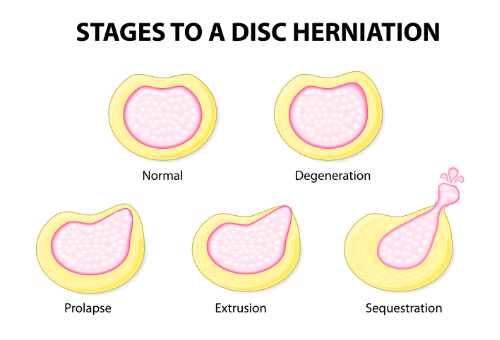
Your spinal discs are the shock-absorbing cushions that sit between each vertebra. They have a tough outer layer called the annulus fibrosus and a soft, gel-like center called the nucleus pulposus. Think of them like a jelly donut — firm on the outside, soft on the inside.
When we talk about a disc bulge, the outer layer of the disc is still intact, but the disc has expanded unevenly beyond its normal boundary — kind of like pressing down on that jelly donut and watching it spread out to one side. A disc herniation, on the other hand, means the outer layer has cracked or torn and some of that inner gel material has pushed through. This is often more painful and more likely to irritate or compress nearby nerves.
Both conditions can cause:
- Localized neck or back pain
- Radiating pain down the arm or leg (such as sciatica)
- Numbness or tingling in the extremities
- Muscle weakness
- Pain that worsens with prolonged sitting or certain movements
The cervical spine (neck) and lumbar spine (lower back) are the most commonly affected areas, simply because they bear the most load and experience the most movement over a lifetime.
How Chiropractic Care Treats Disc Bulge and Herniation
Chiropractic care is built around one core principle: when the spine is properly aligned and moving correctly, the body has a remarkable ability to heal itself. For disc problems specifically, chiropractic treatment targets the mechanical dysfunction that is both contributing to and worsening the injury. Here’s how your chiropractor may approach your care:
1. Spinal Manipulation and Adjustments
Spinal manipulation — the hands-on technique chiropractors are best known for — gently repositions the vertebrae to restore proper alignment and joint motion. For disc conditions, specific low-force adjusting techniques are often used to reduce pressure on the affected disc and surrounding nerves. Research published in peer-reviewed journals has consistently shown that spinal manipulation can significantly reduce pain and improve function in patients with lumbar disc herniation.
2. Flexion-Distraction Technique
This is one of the most widely used and well-researched chiropractic approaches for disc injuries. Using a specially designed table, the chiropractor applies a gentle, rhythmic pumping motion to the lower spine while the table gently stretches the lumbar region. This decompresses the disc, encourages the herniated material to move away from the nerve, and increases circulation to promote healing. It’s gentle, non-forceful, and many patients find it immediately relieving.
3. Spinal Decompression Therapy
Non-surgical spinal decompression uses a motorized traction table to carefully stretch the spine, creating negative intradiscal pressure. This negative pressure works like a vacuum — it can help retract herniated disc material and allow oxygen, water, and nutrients to flow back into the disc. Many patients report dramatic improvement in their symptoms after a series of decompression sessions.
4. Therapeutic Exercises and Rehabilitation
A good chiropractor doesn’t just treat your pain — they work to address the underlying muscle imbalances and movement patterns that contributed to your disc injury in the first place. Targeted core strengthening exercises, flexibility work, and postural retraining are often incorporated into your treatment plan to stabilize the spine, prevent re-injury, and support long-term recovery.
5. Soft Tissue Therapies
Disc injuries rarely happen in isolation. The muscles and ligaments surrounding the affected area are almost always involved — often in spasm or chronically tight as a protective response. Techniques like myofascial release, trigger point therapy, and instrument-assisted soft tissue mobilization help loosen these tissues, reduce inflammation, and restore normal movement patterns.
6. Lifestyle and Ergonomic Guidance
How you sit, sleep, lift, and move every day has a profound impact on your disc health. Your chiropractor will assess your daily habits and provide personalized guidance on posture, workstation setup, sleep positions, and safe movement mechanics. This isn’t a minor add-on — it’s often one of the most important pieces of the recovery puzzle.
What the Research Says
The scientific literature supporting chiropractic care for disc conditions has grown substantially over the past two decades. Studies have shown that chiropractic treatment is not only effective for reducing pain and disability associated with lumbar disc herniation, but in many cases, it produces outcomes comparable to surgery — without the risks, recovery time, or cost. A landmark study in the Journal of Manipulative and Physiological Therapeutics found that 90% of patients with lumbar disc herniation improved with chiropractic care and had no need for surgical intervention.
The American College of Physicians, in its clinical practice guidelines, recommends non-pharmacological therapies — including spinal manipulation — as the first line of treatment for acute and chronic lower back pain before resorting to medication or surgery.
Is Chiropractic Care Safe for Disc Problems?
This is one of the most common questions we hear — and it’s a fair one. The short answer is yes, when performed by a licensed and trained chiropractor, care for disc conditions is very safe. Your chiropractor will conduct a thorough evaluation, review your medical history, and may request imaging (such as an MRI or X-ray) before beginning treatment. Certain high-velocity adjustments may be modified or avoided in favor of gentler techniques depending on the severity of your condition.
There are circumstances — such as severe neurological compromise, cauda equina syndrome, or fracture — where chiropractic care may not be appropriate, and a good chiropractor will always refer you to the right specialist when necessary. Your safety is always the first priority.
How Long Does Recovery Take?
Recovery timelines vary depending on the severity of the disc injury, how long you’ve had the problem, your age, and your overall health. Many patients begin to notice meaningful improvement within 4–6 weeks of consistent chiropractic care. Others with more significant herniations or longstanding conditions may require 3–6 months of treatment to achieve full resolution.
The key is consistency. Showing up for your appointments, doing your home exercises, and making the lifestyle modifications your chiropractor recommends will dramatically accelerate your results. Think of it like physical therapy for your spine — the more engaged you are in your recovery, the faster and more complete it will be.
When to Seek Help Right Away
While most disc injuries can be managed conservatively, certain symptoms warrant urgent medical attention. Contact a healthcare provider immediately if you experience:
- Loss of bladder or bowel control
- Sudden, severe weakness in both legs
- Numbness in the groin or inner thigh area
- Pain following significant trauma (such as a fall or car accident)
These symptoms can indicate a serious condition called cauda equina syndrome, which requires emergency treatment.
Take Back Control of Your Spine Health
Living with a disc bulge or herniation can feel limiting and discouraging — but it doesn’t have to be your new normal. Chiropractic care offers a proven, drug-free path to relief that addresses the root cause of your pain rather than just masking the symptoms. Whether you’re dealing with a recent injury or have been struggling for years, there is hope, and help is closer than you think.
Don’t wait for the pain to get worse before taking action. The sooner you seek treatment, the better your chances of a full recovery. Call our office today to schedule a comprehensive evaluation. Our team will review your symptoms, assess your spine, and build a personalized treatment plan designed to get you back to the life you love — pain-free. Your spine can heal. Let us help it get there.
Frequently Asked Questions About Chiropractic Care for Disc Bulge and Herniation
Can a chiropractor fix a herniated disc?
Chiropractic care cannot surgically “fix” a herniated disc, but it can significantly reduce pain, restore function, and support the body’s natural healing process. Many herniations resolve or improve substantially with consistent chiropractic treatment, without the need for surgery.
Is it safe to get adjusted with a herniated disc?
Yes, in most cases. Your chiropractor will tailor the techniques used to your specific condition, often favoring gentle, low-force methods like flexion-distraction or spinal decompression rather than high-velocity adjustments. A thorough evaluation — and often imaging — will be completed before treatment begins.
How many chiropractic sessions will I need for a disc herniation?
It depends on the severity of your injury and how long you’ve had symptoms. Many patients begin to feel better within 6–12 visits. A full course of care may range from 4 weeks to several months. Your chiropractor will reassess your progress regularly and adjust your treatment plan accordingly.
What is the difference between spinal decompression and a regular chiropractic adjustment?
A standard chiropractic adjustment involves manual manipulation of the vertebrae to restore proper alignment and joint movement. Spinal decompression is a separate traction-based therapy that uses a motorized table to gently stretch the spine, creating negative pressure within the disc to encourage healing. Many patients with disc injuries benefit from both approaches used together.
Can disc herniations heal on their own?
Some disc herniations do resorb over time as the body naturally absorbs the displaced disc material. However, this process can take months or even years without treatment — and during that time, nerve compression can cause lasting damage. Chiropractic care can accelerate the healing process and prevent further injury while providing meaningful pain relief along the way.
Should I avoid exercise with a herniated disc?
Not necessarily. While high-impact activities and certain movements should be avoided in the acute phase, gentle, targeted exercise is often one of the best things you can do for disc health. Your chiropractor will guide you on which exercises are safe and beneficial for your specific condition.
Can a disc bulge come back after chiropractic treatment?
It’s possible, especially if the underlying lifestyle factors — poor posture, weak core muscles, repetitive strain — aren’t addressed. That’s why your chiropractor’s guidance on home exercises, ergonomics, and long-term spine health is so important. Prevention is always easier than treatment.
For More Information
We would be happy to answer any questions you have about this article, general spinal health or your specific situation. To discuss your symptoms and concerns call (208) 656-8883.
DID YOU ENJOY THIS ARTICLE?
If so, get email updates for free! Just leave your email address in the field provided below and we'll handle the rest.
NEED TO SCHEDULE AN APPOINTMENT?
Then call Dr. Todd Orchard at (208) 656-8883 today!
Orchard Chiropractic
160 E. Valley River Drive #3
Rexburg, Idaho 83440
How We Are Different
Dr. Orchard is a unique Rexburg chiropractor who specializes in difficult cases that have not responded to other care. All treatment plans are highly individualized based on your specific history, needs and goals.
Areas We Serve
We are located in Rexburg and serve the communities that reside in zip codes 83440, 83460, 83442, 83448, and 83445. However, we see patients from a large radius around Rexburg which include Brigham Young University, Rigby, Sugar City, and St. Anthony because of the unique, customized treatment options we offer.