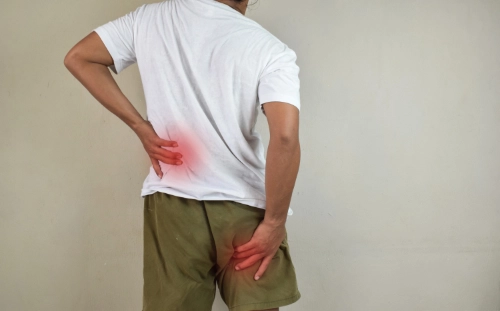
 There’s a reason sciatica has a reputation for being one of the most miserable conditions a person can experience. That sharp, shooting pain that starts in your lower back and fires all the way down through your buttock, thigh, and into your leg — sometimes reaching the foot — is impossible to ignore. It can make sitting unbearable, sleeping a nightly battle, and even standing feel like a challenge. If you’ve been dealing with this kind of pain, you already know that just pushing through it isn’t a realistic strategy.
Here’s what a lot of people don’t know: chiropractic care is one of the most effective conservative treatments available for sciatica. It doesn’t rely on medications that mask your symptoms or surgical procedures that come with real risks and long recovery times. Instead, it works by identifying and correcting the underlying mechanical problem that’s irritating your sciatic nerve in the first place. In this article, we’ll break down exactly what sciatica is, what causes it, and how chiropractic treatment can help you get back to living your life without that relentless pain.
What Is Sciatica?
Sciatica is not a diagnosis in itself — it’s a set of symptoms caused by compression or irritation of the sciatic nerve, the longest and widest nerve in the human body. The sciatic nerve originates from nerve roots in the lumbar and sacral spine (L4 through S3), travels through the buttock, and runs down the back of each leg all the way to the foot. When something puts pressure on this nerve at any point along its path, the result is the characteristic radiating pain, numbness, tingling, or weakness that patients describe as sciatica.
Most cases of sciatica affect only one side of the body, though bilateral sciatica is possible in more serious cases. The pain can range from a mild, persistent ache to a sharp, burning sensation or even an electric shock-like jolt with certain movements. Sitting for extended periods — at a desk, in a car, or on a couch — typically worsens symptoms, while walking or lying down may bring temporary relief.
What Causes Sciatica?
Understanding the cause of your sciatica matters enormously for determining the right treatment approach. There isn’t a single cause — several different spinal and pelvic conditions can compress or irritate the sciatic nerve.
Lumbar Disc Herniation
The most common cause of sciatica is a herniated disc in the lower lumbar spine. When the soft inner material of a spinal disc pushes through its outer casing, it can directly press against the nerve roots that form the sciatic nerve. The L4-L5 and L5-S1 levels are the most frequently involved. A herniated disc can develop from a sudden injury, repetitive strain, or simply the gradual wear of daily life.
Lumbar Spinal Stenosis
Spinal stenosis is a narrowing of the spinal canal that places pressure on the nerves running through it, including the sciatic nerve roots. It’s more common in people over 50 and often develops gradually due to age-related changes in the spine, including bone spurs, thickened ligaments, and degenerative disc changes. People with stenosis-related sciatica often find that leaning slightly forward — like when walking behind a shopping cart — provides temporary relief.
Spondylolisthesis
When one vertebra slips forward over the one below it, the resulting misalignment can narrow the space where nerve roots exit the spine and compress the sciatic nerve. This condition can be degenerative (from joint breakdown) or structural (from a stress fracture in the vertebra).
Piriformis Syndrome
The sciatic nerve passes directly beneath the piriformis muscle in the buttock — and in some people, it passes directly through it. When the piriformis becomes tight, inflamed, or spasmed, it can squeeze the sciatic nerve and produce symptoms nearly identical to disc-related sciatica. This is sometimes called “pseudo-sciatica” because the nerve compression occurs outside the spine, but the pain pattern can be just as severe.
Sacroiliac Joint Dysfunction
The sacroiliac (SI) joints sit at the base of the spine where the sacrum connects to the pelvis. When these joints become misaligned or inflamed, they can irritate the L5 nerve root — which contributes to the sciatic nerve — producing pain that mimics classic sciatica. SI joint dysfunction is frequently overlooked as a source of sciatic-type pain.
Why Chiropractic Care Is an Effective Treatment for Sciatica
Because sciatica is a mechanical problem — something is physically compressing or irritating a nerve — it makes sense that a mechanical solution is often the most effective approach. Chiropractic care is uniquely positioned to address the structural causes of sciatica without drugs or surgery. Here’s how chiropractors typically approach sciatica treatment.
Spinal Adjustment and Manipulation
Chiropractic adjustments are targeted, controlled movements applied to specific spinal segments to restore proper joint alignment, reduce joint restriction, and relieve nerve pressure. For disc-related sciatica, adjustments can help reduce the mechanical stress on the affected disc and create more space for the compressed nerve root. Multiple research studies have shown spinal manipulation to be effective for both acute and chronic sciatica, with many patients experiencing significant improvement in pain and function.
Flexion-Distraction Technique
This is a gentle, hands-on technique performed on a specialized table that gently stretches and decompresses the lumbar spine. It’s particularly effective for disc-related sciatica and lumbar spinal stenosis because it creates negative pressure within the disc, which can help draw herniated material back toward its normal position and take pressure off the irritated nerve root. Flexion-distraction is non-force and highly tolerable, making it a good option for patients in significant pain.
Soft Tissue Therapy
When tight or spasmed muscles are contributing to sciatic nerve irritation — as in piriformis syndrome — soft tissue techniques like myofascial release, trigger point therapy, and active release can reduce muscular tension and take the mechanical pressure off the nerve. Many patients with piriformis-related sciatica experience dramatic relief with targeted soft tissue work combined with chiropractic adjustments.
Pelvic and SI Joint Correction
Pelvic misalignment and SI joint dysfunction are frequently overlooked contributors to sciatica. Chiropractors are trained to assess and correct pelvic biomechanics, restoring proper alignment to the sacroiliac joints and reducing the irritation they place on adjacent nerve tissue. Addressing the pelvis is often key to achieving lasting sciatica relief — even when the primary complaint appears to be spinal.
Therapeutic Exercise and Rehabilitation
Corrective exercises are a critical part of a comprehensive sciatica treatment plan. Your chiropractor will guide you through targeted stretches and strengthening movements designed to support the lumbar spine, reduce recurrence risk, and help you maintain the progress made during in-office treatment. Core stabilization, hip mobility, and lumbar extension exercises are commonly incorporated depending on your specific diagnosis.
What to Expect When You See a Chiropractor for Sciatica
Your first visit will include a thorough history and physical examination, including orthopedic and neurological testing to identify which nerve roots are involved and what’s likely causing the compression. In some cases, X-rays or an MRI referral may be recommended to get a clearer picture of the underlying anatomy. From there, your chiropractor will develop a personalized treatment plan based on your specific diagnosis.
Most patients with acute sciatica begin to notice improvement within the first few weeks of consistent chiropractic care. Chronic cases may require a longer treatment course, but the trajectory is typically progressive improvement with each visit. The goal is not simply to relieve your current episode of pain but to correct the mechanical problem driving it and reduce the likelihood of future flare-ups.
Don’t Wait for Sciatica to Get Worse
Sciatica has a way of escalating when it’s left untreated. What starts as an intermittent ache can become a constant, debilitating pain that interferes with every aspect of your daily life. More importantly, prolonged nerve compression can lead to progressive neurological changes — including weakness and permanent numbness — that are harder to reverse the longer they’ve been present.
If you’re dealing with pain, tingling, or numbness that radiates down your leg, the time to act is now. Our office provides a comprehensive evaluation to identify exactly what’s causing your sciatica and a customized chiropractic treatment plan designed to get you out of pain and keep you there. Call us today to schedule your consultation. Drug-free, surgery-free relief from sciatica is possible — and it starts with a single phone call.
Frequently Asked Questions About Sciatica and Chiropractic Care
How do I know if my leg pain is sciatica?
Classic sciatica produces pain, numbness, tingling, or weakness that radiates from the lower back through the buttock and down the back of the leg, sometimes reaching the calf or foot. It typically affects one side of the body. Pain that stays localized to the lower back, hip, or leg without the characteristic radiating pattern may suggest a different condition. A chiropractic evaluation with orthopedic and neurological testing is the most reliable way to confirm a sciatica diagnosis and identify its cause.
Can a chiropractor fix sciatica?
Chiropractic care has a strong clinical track record for resolving or significantly reducing sciatica. Studies comparing chiropractic spinal manipulation to simulated manipulation have found significantly greater pain reduction and functional improvement in patients receiving real chiropractic treatment. Results depend on the underlying cause, how long symptoms have been present, and individual health factors — but for the majority of patients, chiropractic care produces meaningful, lasting relief.
Is sciatica caused by a pinched nerve?
Yes, in the most practical sense. Sciatica occurs when the sciatic nerve or the nerve roots that form it are compressed, irritated, or inflamed. The compression can come from a herniated disc, bone spur, narrowed spinal canal, tight muscle (piriformis), or misaligned joint. Identifying exactly where and why the nerve is being compressed is the key to selecting the right chiropractic treatment approach.
How long does sciatica take to heal with chiropractic treatment?
Many patients with acute sciatica begin experiencing significant relief within 4 to 8 weeks of consistent chiropractic care. Chronic sciatica — pain that has persisted for 3 months or longer — typically requires a longer treatment course, though patients generally see progressive improvement throughout. The speed of recovery is influenced by the severity of nerve compression, the underlying cause, your overall health, and how consistently you follow your treatment plan and home care recommendations.
Can sciatica go away on its own without treatment?
Mild episodes of sciatica sometimes resolve on their own within a few weeks, particularly when caused by a disc herniation that gradually reabsorbs. However, waiting it out carries risks: the nerve compression may worsen, the condition can become chronic, and compensatory patterns in your gait and posture can develop that create new problems. Seeking chiropractic care early gives you the best chance for a faster, more complete recovery and reduces the risk of recurrence.
Is chiropractic care safe for sciatica?
Yes. Chiropractic treatment for sciatica is safe when provided by a licensed chiropractor who has conducted a thorough evaluation of your condition. Your chiropractor will tailor techniques to your diagnosis — using gentler, low-force approaches when indicated, such as flexion-distraction for severe disc herniations. Serious complications from chiropractic care are extremely rare. For the vast majority of sciatica patients, chiropractic is significantly safer than long-term NSAID use or surgical intervention.
What is the difference between sciatica and piriformis syndrome?
Both conditions produce sciatic-type pain that radiates down the leg, which is why they’re often confused. True sciatica originates from nerve compression at the lumbar spine — typically from a disc herniation, stenosis, or spondylolisthesis. Piriformis syndrome, sometimes called pseudo-sciatica, occurs when the piriformis muscle in the buttock compresses the sciatic nerve outside the spine. The distinction matters for treatment: spinal-origin sciatica is addressed primarily through spinal adjustments and decompression, while piriformis syndrome responds best to soft tissue therapy and piriformis stretching in combination with pelvic correction.
For More Information
We would be happy to answer any questions you have about this article, general spinal health or your specific situation. To discuss your symptoms and concerns call (208) 656-8883.
DID YOU ENJOY THIS ARTICLE?
If so, get email updates for free! Just leave your email address in the field provided below and we'll handle the rest.
NEED TO SCHEDULE AN APPOINTMENT?
Then call Dr. Todd Orchard at (208) 656-8883 today!
Orchard Chiropractic
160 E. Valley River Drive #3
Rexburg, Idaho 83440
How We Are Different
Dr. Orchard is a unique Rexburg chiropractor who specializes in difficult cases that have not responded to other care. All treatment plans are highly individualized based on your specific history, needs and goals.
Areas We Serve
We are located in Rexburg and serve the communities that reside in zip codes 83440, 83460, 83442, 83448, and 83445. However, we see patients from a large radius around Rexburg which include Brigham Young University, Rigby, Sugar City, and St. Anthony because of the unique, customized treatment options we offer.