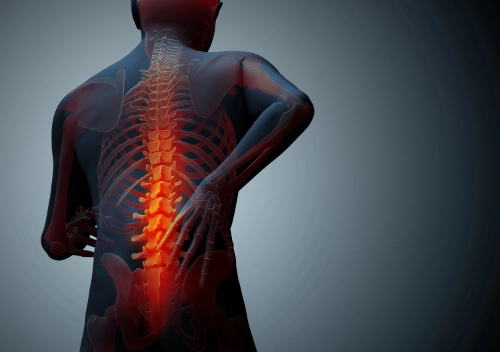
 Mid-back pain is one of those conditions that sneaks up on you. Maybe it starts as a dull ache between your shoulder blades after a long day at your desk. Or perhaps it’s a persistent stiffness that makes twisting or reaching feel like a chore. Whatever the pattern, mid-back pain can quietly chip away at your quality of life — and for many people, it goes unaddressed for far too long.
The good news is that mid-back pain responds exceptionally well to chiropractic care. Rather than relying on pain medication to mask symptoms or waiting until the condition becomes severe enough to warrant surgery, chiropractic offers a natural, conservative approach that targets the root cause of your discomfort. In this article, we’ll break down what mid-back pain actually is, why it happens, and how a chiropractor can help you get lasting relief.
What Is Mid-Back Pain?
The mid-back, also referred to as the thoracic spine, spans from the base of the neck down to the bottom of the rib cage — roughly the region between your shoulder blades and your lower ribs. This section of the spine is made up of twelve vertebrae (T1–T12), each of which connects to a pair of ribs. The thoracic spine is uniquely designed for stability rather than mobility, which makes it less prone to the kind of disc injuries you see in the neck or lower back. However, that same structural rigidity means the mid-back is highly susceptible to joint dysfunction, muscular tension, and postural stress.
Mid-back pain can range from a mild, nagging ache to sharp, stabbing discomfort that radiates around the rib cage or into the chest. It may worsen with prolonged sitting, deep breathing, twisting, or lifting. In some cases, the pain is accompanied by tightness, muscle spasms, or a sensation of the back “locking up.”
Common Causes of Mid-Back Pain
Poor Posture and Prolonged Sitting
One of the most common drivers of mid-back pain today is sustained poor posture — particularly the forward head and rounded shoulder position most people adopt while working at a desk or looking down at a phone. When the thoracic spine is held in a flexed, hunched position for hours at a time, the posterior spinal joints compress, the surrounding muscles fatigue, and spinal subluxations — or misalignments — begin to develop. Over time, this creates a cycle of dysfunction that manifests as chronic mid-back pain.
Spinal Subluxations
Spinal subluxations in the thoracic region are a primary chiropractic concern when it comes to mid-back pain. A subluxation occurs when one or more vertebrae shift slightly out of their optimal alignment, disrupting joint mechanics and placing irritation on the surrounding nerves and soft tissues. The thoracic spine’s attachment to the rib cage means that subluxations in this area can also contribute to rib joint dysfunction — causing pain with breathing, coughing, or even resting.
Muscle Imbalances and Weakness
The muscles of the mid-back — including the rhomboids, middle and lower trapezius, and thoracic erector spinae — play a critical role in maintaining upright posture and shoulder function. When these muscles are chronically weakened or overstretched due to poor posture, the thoracic spine loses its dynamic support structure. Opposing muscles in the chest and front of the shoulders often become tight and dominant, pulling the thoracic spine into a kyphotic (rounded) curve and perpetuating the pain cycle.
Acute Injury and Overuse
Mid-back pain can also result from acute injuries such as a fall, a sports collision, or lifting something with improper mechanics. Repetitive activities — like long hours of driving, working on an assembly line, or performing overhead tasks — can lead to cumulative stress and overuse injuries in the thoracic region. Even something as routine as sleeping in an awkward position can set off a flare of mid-back pain if the spinal joints are already under stress.
Thoracic Disc Issues and Costovertebral Joint Dysfunction
While thoracic disc herniations are less common than cervical or lumbar disc issues, they do occur and can cause significant pain, sometimes accompanied by radiating symptoms around the rib cage. More frequently, chiropractors identify costovertebral joint dysfunction — where the joint connecting a rib to the thoracic vertebra becomes restricted or inflamed — as the source of sharp, localized mid-back pain, particularly on one side.
Symptoms of Mid-Back Pain
Mid-back pain presents differently from person to person, but the most commonly reported symptoms include:
Dull, aching pain between the shoulder blades or along the spine that worsens after prolonged sitting or standing. Sharp or stabbing pain with specific movements like twisting, bending, or taking a deep breath. Muscle stiffness or tightness that makes it difficult to turn or extend the upper body. Radiating discomfort that wraps around the rib cage toward the chest or abdomen. A sensation of joint “locking” or the back feeling stuck in place. Headaches or neck tension that develop as secondary effects of thoracic dysfunction disrupting the kinetic chain.
It’s worth noting that some mid-back symptoms — particularly chest pain or shortness of breath — should always be evaluated by a medical provider first to rule out cardiac or pulmonary causes. Once serious conditions have been excluded, chiropractic care is an excellent next step for addressing the musculoskeletal component.
How Chiropractic Care Treats Mid-Back Pain
Chiropractic care is ideally suited for the thoracic spine. Because mid-back pain is so frequently rooted in joint restriction, spinal subluxations, and soft tissue dysfunction rather than structural damage, the non-invasive, hands-on tools chiropractors use are precisely what the condition calls for.
Spinal Manipulation and Thoracic Adjustments
Chiropractic adjustments to the thoracic spine restore proper joint mobility, correct spinal subluxations, and relieve pressure on the surrounding nerves and tissues. Many patients experience immediate improvement in range of motion and a noticeable reduction in pain following a thoracic adjustment. The characteristic “pop” associated with spinal manipulation is simply the release of gas from the joint — a sign that the joint has been mobilized and its normal mechanics restored.
Soft Tissue Therapy
Because muscular tension plays such a central role in mid-back pain, most chiropractic treatment plans incorporate soft tissue therapy alongside spinal adjustments. Techniques such as myofascial release, trigger point therapy, and instrument-assisted soft tissue mobilization (IASTM) address the muscle tightness, adhesions, and fascial restrictions that accompany thoracic dysfunction. Releasing these soft tissue components is critical to ensuring that spinal adjustments hold and that the spine can maintain proper alignment between visits.
Rib Adjustment and Costovertebral Mobilization
When rib joint dysfunction is contributing to mid-back pain, chiropractors can perform gentle adjustments to the costovertebral and costotransverse joints — the articulations where the ribs connect to the thoracic vertebrae. Restoring normal movement to these joints often produces rapid and dramatic relief from the sharp, breath-related pain that makes rib dysfunction so uncomfortable.
Postural Correction and Rehabilitative Exercises
Addressing the underlying postural patterns that led to mid-back pain in the first place is a cornerstone of effective chiropractic care. Your chiropractor will evaluate your posture, identify the specific muscle imbalances driving your condition, and prescribe corrective exercises designed to strengthen the weakened thoracic stabilizers, stretch the tight anterior muscles, and retrain proper alignment. These rehabilitative exercises are what transform short-term pain relief into long-term spinal health.
Lifestyle and Ergonomic Guidance
Because postural stress and prolonged sitting are such significant contributors to mid-back pain, your chiropractor will also provide practical guidance on workstation ergonomics, movement habits, and daily posture. Small adjustments — like monitor height, chair support, and how often you take movement breaks — can make a measurable difference in how your thoracic spine tolerates daily demands.
Why Choose Chiropractic Over Pain Medication or Surgery?
Pain medication addresses the sensation of pain but does nothing to correct the underlying joint dysfunction causing it. Surgery, while necessary in rare cases of structural damage, carries significant risk and recovery time, and is rarely indicated for the types of thoracic dysfunction chiropractors routinely treat. Chiropractic care, by contrast, targets the mechanical root cause of mid-back pain — restoring joint mobility, correcting subluxations, balancing soft tissue tension, and building the postural strength needed to prevent recurrence. It is safe, effective, and supported by a growing body of clinical research affirming its value as a first-line conservative treatment for spinal pain.
Take the First Step Toward a Pain-Free Mid-Back
Mid-back pain doesn’t have to become your new normal. Whether you’ve been dealing with thoracic stiffness for years or you’ve just noticed the first signs of discomfort, chiropractic care offers a direct, natural path to relief. Our team specializes in identifying the precise cause of your mid-back pain and building a personalized treatment plan designed to get you moving freely and feeling your best — without drugs or surgery.
Don’t wait for the pain to get worse. Call our office today to schedule your consultation and take the first step toward lasting mid-back relief.
Frequently Asked Questions About Mid-Back Pain and Chiropractic Care
What does mid-back pain feel like?
Mid-back pain typically presents as a dull ache, stiffness, or sharp pain in the region between the shoulder blades and the lower rib cage. It may worsen with sitting, twisting, deep breathing, or lifting, and can sometimes radiate around the rib cage toward the chest or abdomen.
Is mid-back pain serious?
Most mid-back pain is caused by musculoskeletal issues such as spinal subluxations, joint restriction, or muscular tension and is not medically serious. However, mid-back pain accompanied by chest pain, shortness of breath, or neurological symptoms should be evaluated by a medical provider to rule out non-musculoskeletal causes before beginning chiropractic care.
Can a chiropractor fix mid-back pain?
Yes. Chiropractic care is highly effective for mid-back pain rooted in spinal joint dysfunction, subluxations, rib joint restriction, and soft tissue imbalances — which account for the majority of thoracic pain cases. Through spinal adjustments, soft tissue therapy, and rehabilitative exercises, chiropractors address both the symptoms and the underlying causes of mid-back pain.
How long does it take for chiropractic to relieve mid-back pain?
Many patients notice meaningful improvement after just a few visits. The full timeline depends on the severity and duration of the condition, but most patients with mid-back pain experience significant relief within four to eight weeks of consistent chiropractic care. Chronic or long-standing conditions may require a longer course of treatment.
What causes mid-back pain between the shoulder blades?
Pain between the shoulder blades is most commonly caused by thoracic spinal subluxations, postural stress from prolonged sitting or forward head posture, muscle imbalances in the rhomboids and trapezius, or costovertebral joint dysfunction. In some cases, referred pain from the cervical spine or internal organs can also produce this symptom pattern.
Can poor posture cause mid-back pain?
Absolutely. Poor posture — particularly the rounded, forward-flexed position many people maintain during desk work and device use — is one of the leading contributors to thoracic pain. Sustained postural stress compresses the spinal joints, fatigues the supporting muscles, and leads to the development of spinal subluxations over time.
Is chiropractic treatment safe for the thoracic spine?
Yes. Chiropractic adjustments to the thoracic spine are safe and well-tolerated. The thoracic region is one of the most commonly and effectively treated areas in chiropractic practice. Your chiropractor will conduct a thorough evaluation before treatment and adapt their approach to your specific condition and health history.
For More Information
We would be happy to answer any questions you have about this article, general spinal health or your specific situation. To discuss your symptoms and concerns call (208) 656-8883.
DID YOU ENJOY THIS ARTICLE?
If so, get email updates for free! Just leave your email address in the field provided below and we'll handle the rest.
NEED TO SCHEDULE AN APPOINTMENT?
Then call Dr. Todd Orchard at (208) 656-8883 today!
Orchard Chiropractic
160 E. Valley River Drive #3
Rexburg, Idaho 83440
How We Are Different
Dr. Orchard is a unique Rexburg chiropractor who specializes in difficult cases that have not responded to other care. All treatment plans are highly individualized based on your specific history, needs and goals.
Areas We Serve
We are located in Rexburg and serve the communities that reside in zip codes 83440, 83460, 83442, 83448, and 83445. However, we see patients from a large radius around Rexburg which include Brigham Young University, Rigby, Sugar City, and St. Anthony because of the unique, customized treatment options we offer.