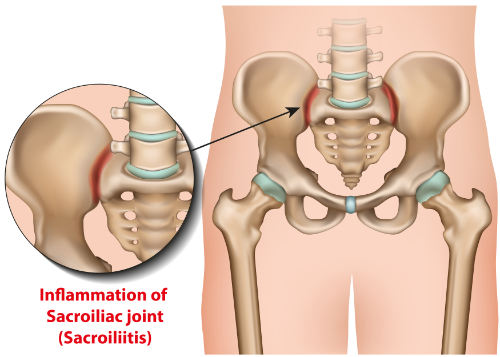
 If you’ve ever experienced a deep, nagging ache in your lower back, hips, or buttocks that just won’t quit, there’s a good chance your sacroiliac (SI) joint could be the culprit. SI joint dysfunction is one of the most common — and commonly misdiagnosed — sources of low back pain, affecting millions of people every year. The good news? Chiropractic treatment for the sacroiliac joint is a proven, non-invasive approach that can bring real, lasting relief.
In this article, we’re breaking down everything you need to know about the SI joint — what it is, what causes it to go wrong, how it’s diagnosed, and how chiropractic care can help you get back to living your life without pain.
What Is the Sacroiliac Joint?
The sacroiliac joint sits where your sacrum — the triangular bone at the base of your spine — connects to your iliac bones on each side of your pelvis. You actually have two SI joints, one on the left and one on the right, and together they act as shock absorbers for the forces that travel between your upper body and your legs.
Unlike some joints in your body, the SI joint doesn’t move very much. It has a relatively small range of motion, but that small motion is critical for walking, bending, and maintaining proper balance and posture. When that joint becomes either too stiff or too loose — or when it becomes inflamed — the result can be significant, sometimes debilitating pain.
What Causes Sacroiliac Joint Dysfunction?
SI joint problems can develop from a wide range of causes. Understanding what triggered your pain is an important step toward finding the right treatment. Some of the most common causes include:
- Traumatic injury — A fall, car accident, or sudden impact can jar the SI joint out of its normal position.
- Pregnancy and childbirth — Hormonal changes during pregnancy loosen the ligaments around the SI joint to prepare the body for delivery, which can lead to hypermobility and pain.
- Leg length discrepancy — Even a slight difference in leg length can alter your gait and put uneven stress on the SI joint over time.
- Repetitive stress — Activities like running, heavy lifting, or prolonged sitting can gradually wear down the joint.
- Arthritis — Degenerative joint disease or inflammatory conditions like ankylosing spondylitis can affect the SI joint directly.
- Postural imbalances — Muscle imbalances in the hips, glutes, and core can alter the mechanics of the pelvis and place extra strain on the SI joint.
Recognizing the Symptoms of SI Joint Pain
One reason SI joint dysfunction is so often misdiagnosed is that its symptoms can mimic other conditions, including disc herniation, sciatica, and hip joint problems. Common signs and symptoms include:
- Pain in the lower back, typically on one side
- Aching or sharp pain in the buttocks
- Pain that radiates down the back of the thigh (often mistaken for sciatica)
- Stiffness and reduced range of motion in the lower back and hips
- Pain that worsens when sitting for long periods, climbing stairs, or rolling over in bed
- A feeling of instability or “giving way” in the pelvis
If any of these sound familiar, it may be time to have your SI joint evaluated by a qualified chiropractor.
How Chiropractors Diagnose Sacroiliac Joint Problems
A thorough chiropractic evaluation for suspected SI joint dysfunction typically involves a detailed health history, a physical examination, and a series of orthopedic and neurological tests. Your chiropractor will assess your posture, gait, and the alignment of your pelvis and spine. Specific provocation tests — such as the FABER test, Gaenslen’s test, and the posterior shear test — are commonly used to stress the SI joint and reproduce your symptoms to confirm the diagnosis.
In some cases, your chiropractor may also review X-rays or refer you for additional imaging to rule out other underlying conditions and get a clearer picture of the joint’s structure.
Chiropractic Treatment for the Sacroiliac Joint: What to Expect
Chiropractic care is widely recognized as one of the most effective conservative treatments for SI joint dysfunction. Unlike surgery or injections, chiropractic treatment addresses the root mechanical cause of your pain — without drugs or invasive procedures. Here’s a look at the key treatment approaches your chiropractor may use:
Spinal and Pelvic Manipulation
The cornerstone of chiropractic SI joint treatment is manipulation — also called an adjustment. When the SI joint is “locked” or misaligned (a condition known as subluxation), a targeted chiropractic adjustment can restore proper joint mobility, reduce nerve irritation, and relieve pain. Research has shown that manipulation of the SI joint can produce immediate reductions in pain intensity and improvements in function for many patients.
For patients who may be sensitive to traditional high-velocity adjustments, chiropractors can also use gentler low-force techniques such as the Activator Method or sacral blocking, which are safe and effective alternatives.
Soft Tissue Therapy
Because muscle tension, trigger points, and connective tissue restrictions often accompany SI joint dysfunction, your chiropractor may incorporate soft tissue therapies such as myofascial release, active release technique (ART), or therapeutic massage. These techniques help relax the surrounding musculature, improve circulation, and reduce inflammation in the area.
Therapeutic Exercises and Rehabilitation
Long-term SI joint health depends on building strength and stability in the muscles that support your pelvis — primarily the glutes, hip flexors, and core stabilizers. Your chiropractor will likely prescribe a personalized exercise program to address any muscle imbalances, improve joint stability, and prevent future flare-ups. These exercises might include glute bridges, clamshells, bird-dogs, and targeted pelvic stabilization movements.
Postural and Ergonomic Education
Poor posture and improper body mechanics are major contributors to SI joint stress. Your chiropractor can teach you how to sit, stand, lift, and move in ways that protect your SI joint throughout the day. Simple adjustments — like how you sit at your desk, how you get in and out of a car, or how you sleep — can make a meaningful difference in your recovery and long-term health.
Adjunct Therapies
Depending on your specific condition and how your body responds to treatment, your chiropractor may also recommend supportive therapies such as:
- Electrical muscle stimulation (EMS) — to reduce pain and muscle spasm
- Ultrasound therapy — to promote tissue healing and reduce inflammation
- Cold laser therapy — for pain relief and accelerated tissue repair
- SI joint support belts — to provide external stability, especially during activity or recovery from pregnancy-related SI dysfunction
Is Chiropractic Care Safe for the SI Joint?
Yes. Chiropractic treatment for the sacroiliac joint is considered safe and well-tolerated for most patients when performed by a licensed, experienced chiropractor. As with any treatment, there may be mild, temporary soreness after an adjustment — similar to how muscles feel after a workout. Your chiropractor will tailor your treatment plan to your specific needs, health history, and comfort level to ensure the safest, most effective approach possible.
How Many Chiropractic Treatments Will I Need?
Every patient is different, and the number of treatments you’ll need depends on the severity and duration of your SI joint problem, your overall health, and how your body responds to care. Many patients notice significant improvement within just a few visits. A typical treatment plan might range from 6 to 12 sessions over several weeks, followed by periodic maintenance care to keep the joint functioning properly and prevent recurrence.
Why Choose Chiropractic for SI Joint Pain?
When it comes to SI joint dysfunction, chiropractic care offers a compelling combination of effectiveness, safety, and value. Rather than masking symptoms with pain medications or risking the complications of surgery, chiropractic treatment addresses the mechanical dysfunction at the heart of your problem. It’s a whole-body, drug-free approach that not only relieves pain but also improves your overall musculoskeletal health, mobility, and quality of life.
Countless patients who came to us frustrated, in pain, and out of options have found lasting relief through consistent chiropractic care. You deserve to feel better — and with the right care, you can.
Take the First Step Toward SI Joint Relief
Living with sacroiliac joint pain doesn’t have to be your new normal. If you’re struggling with persistent lower back, hip, or buttock pain, our chiropractic team is here to help. We’ll perform a thorough evaluation, pinpoint the exact cause of your discomfort, and design a personalized treatment plan to get you feeling like yourself again.
Don’t wait another day to get the relief you deserve. Call our office today to schedule your consultation and take the first step toward a pain-free life.
Frequently Asked Questions About Chiropractic Treatment for the Sacroiliac Joint
What does SI joint pain feel like?
SI joint pain typically presents as a dull, aching pain in the lower back, buttocks, or hips, usually on one side. It may radiate down the back of the thigh and is often aggravated by prolonged sitting, standing, or walking. Some people describe it as a deep ache that’s difficult to pinpoint.
Can a chiropractor fix a misaligned SI joint?
Yes. Chiropractic adjustments are specifically designed to restore proper alignment and motion to joints that are misaligned or restricted, including the sacroiliac joint. Many patients experience significant pain relief and improved mobility after targeted SI joint manipulation.
How do I know if my SI joint or my disc is causing my back pain?
This distinction can be difficult to make on your own because the symptoms often overlap. A trained chiropractor can use specific orthopedic tests, a thorough physical exam, and sometimes imaging to differentiate between SI joint dysfunction and disc-related problems. Getting an accurate diagnosis is the critical first step.
Is SI joint pain permanent?
Not necessarily. Many people recover fully from SI joint dysfunction with appropriate treatment. Early intervention tends to produce better outcomes, so it’s important not to ignore persistent pain. Chiropractic care, combined with targeted exercises and lifestyle modifications, can produce lasting results for most patients.
Can SI joint problems come back after chiropractic treatment?
SI joint dysfunction can recur, particularly if the underlying causes — such as muscle imbalances, poor posture, or repetitive stress — are not fully addressed. That’s why our treatment approach focuses not just on relieving your current pain, but on correcting the root cause and teaching you strategies to protect your joint long-term. Periodic chiropractic maintenance care can also help prevent future flare-ups.
Is chiropractic treatment safe for pregnancy-related SI joint pain?
Yes, chiropractic care is generally considered safe during pregnancy and can be very effective for pregnancy-related SI joint pain. Chiropractors trained in prenatal care use modified techniques and positioning to ensure comfort and safety for both mother and baby.
What should I do if I think I have SI joint dysfunction?
The best thing you can do is schedule an evaluation with a licensed chiropractor as soon as possible. Early diagnosis and treatment can prevent the condition from becoming chronic and significantly improve your recovery time. Call our office today — we’re here to help.
For More Information
We would be happy to answer any questions you have about this article, general spinal health or your specific situation. To discuss your symptoms and concerns call (208) 656-8883.
DID YOU ENJOY THIS ARTICLE?
If so, get email updates for free! Just leave your email address in the field provided below and we'll handle the rest.
NEED TO SCHEDULE AN APPOINTMENT?
Then call Dr. Todd Orchard at (208) 656-8883 today!
Orchard Chiropractic
160 E. Valley River Drive #3
Rexburg, Idaho 83440
How We Are Different
Dr. Orchard is a unique Rexburg chiropractor who specializes in difficult cases that have not responded to other care. All treatment plans are highly individualized based on your specific history, needs and goals.
Areas We Serve
We are located in Rexburg and serve the communities that reside in zip codes 83440, 83460, 83442, 83448, and 83445. However, we see patients from a large radius around Rexburg which include Brigham Young University, Rigby, Sugar City, and St. Anthony because of the unique, customized treatment options we offer.