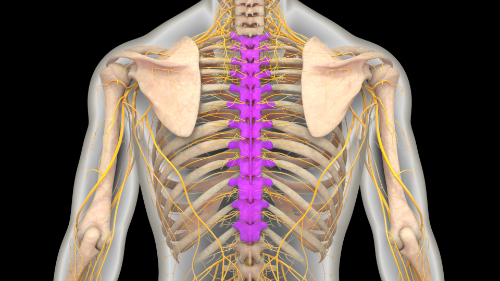
 If you’ve ever experienced that nagging ache between your shoulder blades or a sharp pain in your mid-back that makes it difficult to take deep breaths, you’re likely dealing with thoracic spine pain. This often-overlooked area of the spine plays a crucial role in your overall health and daily function, yet many people don’t fully understand what causes thoracic pain or how to effectively treat it.
The thoracic spine, made up of twelve vertebrae (T1–T12) in the mid-back, is built to provide both strength and flexibility. Its unique design allows for stability while supporting rotational movement, and the rib cage adds an extra layer of protection. While this makes the thoracic region less prone to certain injuries compared to the neck or lower back, it is still vulnerable to its own set of challenges that can cause pain, stiffness, or limited mobility. In this article, we’ll explore the causes, symptoms, and treatment options for thoracic spine issues—and show why chiropractic care is one of the most effective ways to overcome them.
What Is Thoracic Spine Pain?
Thoracic spine pain refers to discomfort, stiffness, or aching sensations that occur anywhere along the twelve vertebrae of your mid-back. This region extends from the base of your neck down to the bottom of your rib cage. While thoracic pain is less common than neck or lower back pain, it can be equally debilitating and often indicates underlying mechanical or postural issues that need attention.
Many patients describe thoracic spine pain as a constant dull ache, burning sensation, or sharp stabbing pain that may worsen with certain movements or positions. The pain might be localized to one specific area or spread across the entire mid-back region, sometimes radiating around the ribs toward the chest or abdomen.
Common Causes of Thoracic Spine Pain
Understanding the root causes of thoracic spine pain is essential for effective treatment and prevention. Here are the most frequent culprits we see in our chiropractic practice:
Poor Posture and Ergonomic Issues
In our digital age, poor posture has become the leading cause of thoracic spine pain. Hours spent hunched over computers, looking down at smartphones, or slouching on couches creates excessive kyphosis (forward rounding) of the thoracic spine. This prolonged positioning places tremendous stress on the vertebrae, discs, and surrounding muscles, leading to pain and dysfunction.
Muscle Strain and Overuse
The muscles surrounding your thoracic spine can become strained from sudden movements, heavy lifting, or repetitive activities. Athletes, manual laborers, and even weekend warriors are particularly susceptible to muscle strains in the thoracic region. When these muscles become tight or inflamed, they can create significant discomfort and restrict normal movement patterns.
Thoracic Facet Joint Dysfunction
The small joints that connect your vertebrae, called facet joints, can become irritated or inflamed due to injury, arthritis, or mechanical stress. Thoracic facet joint problems often cause localized pain that may worsen with twisting or extending the spine backward. This condition is particularly common in individuals who perform repetitive rotational movements.
Rib Joint Dysfunction
Each of your ribs connects to the thoracic vertebrae through small joints called costovertebral and costotransverse joints. When these joints become restricted or misaligned, they can cause significant pain that may be mistaken for muscle strain or even heart problems. Rib dysfunction often occurs following respiratory illnesses with persistent coughing or after trauma to the chest area.
Herniated Thoracic Discs
While less common than cervical or lumbar disc herniations, thoracic disc problems can occur and cause severe pain. The symptoms may include band-like pain around the torso, numbness, or even weakness in the legs if the spinal cord is affected. Thoracic disc herniations often result from degenerative changes, trauma, or sudden forceful movements.
Recognizing the Symptoms of Thoracic Spine Pain
Thoracic spine pain can manifest in various ways, and recognizing these symptoms is crucial for seeking appropriate treatment. Common signs include:
A persistent aching or burning sensation in the mid-back area that may worsen with prolonged sitting or standing is often the first sign of thoracic spine problems. Many patients also experience stiffness that makes it difficult to turn or twist their torso, particularly in the morning or after periods of inactivity.
Sharp, stabbing pains that occur with specific movements like reaching overhead, twisting, or taking deep breaths can indicate facet joint or rib dysfunction. Some individuals experience radiating pain that travels around their ribs toward the front of their body, which can be alarming but is often related to thoracic spine problems rather than heart issues.
Muscle spasms in the mid-back, shoulder blade region, or between the ribs are also common symptoms. These spasms may occur suddenly and can be quite painful, often limiting movement and requiring immediate attention.
Risk Factors for Developing Thoracic Spine Pain
Certain factors can increase your likelihood of developing thoracic spine pain. Age-related changes in the spine, including disc degeneration and arthritis, naturally increase the risk of thoracic problems. However, lifestyle factors often play a more significant role in younger individuals.
Occupations that require prolonged sitting, repetitive movements, or heavy lifting significantly increase the risk of thoracic spine problems. Office workers, drivers, healthcare professionals, and manual laborers are particularly susceptible to developing these issues.
Poor physical fitness, particularly weakness in the core and back muscles, can contribute to thoracic spine pain by reducing the spine’s natural support system. Additionally, previous injuries to the chest, ribs, or spine can predispose individuals to future thoracic problems.
Effective Treatment Options for Thoracic Spine Pain
The good news is that most cases of thoracic spine pain respond well to conservative treatment approaches. At our chiropractic clinic, we employ a comprehensive treatment strategy that addresses both the symptoms and underlying causes of your pain.
Chiropractic Adjustments and Manipulation
Chiropractic adjustments are highly effective for treating thoracic spine pain, particularly when the pain stems from joint dysfunction or misalignment. These precise, controlled movements help restore proper joint motion, reduce inflammation, and alleviate pain. Our doctors use various techniques specifically designed for the thoracic spine, ensuring safe and effective treatment.
Soft Tissue Therapies
Addressing muscle tension and inflammation is crucial for thoracic spine pain relief. We utilize various soft tissue techniques, including massage therapy, myofascial release, and trigger point therapy, to reduce muscle tension and improve blood flow to the affected areas. These therapies complement chiropractic adjustments by addressing the muscular components of your pain.
Postural Correction and Ergonomic Education
Since poor posture is a leading cause of thoracic spine pain, correcting postural imbalances is essential for long-term relief. We provide personalized postural training and ergonomic recommendations to help you maintain proper spinal alignment throughout your daily activities. This includes workspace modifications, proper lifting techniques, and awareness of harmful postural habits.
Therapeutic Exercise and Strengthening
A targeted exercise program is crucial for both treating current pain and preventing future episodes. We design specific exercise routines that focus on strengthening the muscles that support your thoracic spine, improving flexibility, and enhancing overall spinal stability. These exercises are tailored to your specific condition and fitness level.
Prevention Strategies for Thoracic Spine Health
Preventing thoracic spine pain is often more effective than treating it after it develops. Maintaining good posture throughout the day is the most important preventive measure you can take. This includes setting up an ergonomic workspace, taking frequent breaks from prolonged sitting, and being mindful of your posture during daily activities.
Regular exercise that includes both cardiovascular conditioning and strength training helps maintain spinal health by keeping the supporting muscles strong and flexible. Focus on exercises that promote good posture and core stability, such as yoga, Pilates, or specific back strengthening routines.
Stress management is also crucial, as emotional stress often manifests as physical tension in the thoracic region. Incorporating relaxation techniques, regular physical activity, and adequate sleep into your routine can help prevent stress-related thoracic pain.
When to Seek Professional Help
While mild thoracic spine pain may resolve on its own with rest and self-care measures, certain symptoms warrant immediate professional attention. Severe pain that doesn’t improve with rest, pain accompanied by numbness or weakness in the arms or legs, or pain that radiates around the chest should be evaluated promptly.
Additionally, if your thoracic pain is accompanied by difficulty breathing, fever, or other systemic symptoms, it’s important to rule out serious underlying conditions. Our chiropractic team can help determine whether your symptoms require immediate medical attention or can be effectively treated with conservative care.
Don’t let thoracic spine pain limit your daily activities or quality of life. With proper diagnosis and treatment, most people experience significant improvement in their symptoms and can return to their normal activities without restrictions.
Frequently Asked Questions About Thoracic Spine Pain
How long does thoracic spine pain typically last?
The duration of thoracic spine pain varies depending on the underlying cause and severity of the condition. Acute pain from muscle strain may resolve within a few days to weeks with appropriate treatment, while chronic issues related to postural problems or joint dysfunction may take several weeks to months to fully resolve with consistent treatment and lifestyle modifications.
Can thoracic spine pain cause chest pain?
Yes, thoracic spine problems can definitely cause chest pain. This occurs when irritated nerves or joints in the thoracic spine refer pain around the ribs to the front of the chest. This type of pain is often mistaken for heart problems, but it typically has different characteristics and responds well to chiropractic treatment.
Is it safe to exercise with thoracic spine pain?
Light, appropriate exercise is generally beneficial for thoracic spine pain and can actually speed recovery. However, it’s important to avoid activities that worsen your symptoms and to follow a properly designed exercise program. We recommend consulting with our chiropractic team to develop a safe and effective exercise routine tailored to your specific condition.
What sleeping position is best for thoracic spine pain?
The best sleeping position for thoracic spine pain is typically on your back with a pillow supporting the natural curve of your neck, or on your side with a pillow between your knees. Avoid sleeping on your stomach, as this can place additional stress on your spine. A supportive mattress that maintains spinal alignment is also crucial for thoracic spine health.
How can I tell if my thoracic spine pain is serious?
Warning signs that indicate serious thoracic spine problems include severe pain that doesn’t improve with rest, pain accompanied by numbness or weakness in the arms or legs, difficulty breathing, fever, or pain that significantly worsens at night. If you experience any of these symptoms, seek professional evaluation immediately.
Can stress cause thoracic spine pain?
Absolutely. Emotional stress often manifests as physical tension in the thoracic region, leading to muscle spasms, increased pain sensitivity, and poor posture habits. Managing stress through relaxation techniques, regular exercise, and adequate sleep can significantly help reduce thoracic spine pain.
If you’re experiencing thoracic spine pain that’s affecting your daily life, don’t wait for it to get worse. Our experienced chiropractic team specializes in diagnosing and treating thoracic spine conditions using safe, effective, and non-invasive methods. We’ll work with you to develop a personalized treatment plan that addresses your specific needs and helps you achieve lasting relief. Call our office today to schedule your consultation and take the first step toward a pain-free life. Your spine health is our priority, and we’re here to help you feel your best.
For More Information
We would be happy to answer any questions you have about this article, general spinal health or your specific situation. To discuss your symptoms and concerns call (208) 656-8883.
DID YOU ENJOY THIS ARTICLE?
If so, get email updates for free! Just leave your email address in the field provided below and we'll handle the rest.
NEED TO SCHEDULE AN APPOINTMENT?
Then call Dr. Todd Orchard at (208) 656-8883 today!
Orchard Chiropractic
160 E. Valley River Drive #3
Rexburg, Idaho 83440
How We Are Different
Dr. Orchard is a unique Rexburg chiropractor who specializes in difficult cases that have not responded to other care. All treatment plans are highly individualized based on your specific history, needs and goals.
Areas We Serve
We are located in Rexburg and serve the communities that reside in zip codes 83440, 83460, 83442, 83448, and 83445. However, we see patients from a large radius around Rexburg which include Brigham Young University, Rigby, Sugar City, and St. Anthony because of the unique, customized treatment options we offer.