 That clicking jaw, the nagging headache behind your eyes, the ache that radiates from your face into your neck — if any of this sounds familiar, you may be dealing with temporomandibular joint (TMJ) dysfunction. It’s one of the most frustrating conditions to live with, partly because so many people don’t realize it’s treatable without medications or surgery. Chiropractic care has emerged as a highly effective, conservative approach to TMJ dysfunction — one that addresses not just the jaw itself, but the entire chain of spinal and muscular imbalances that often drive the condition in the first place.
In this article, we’ll break down what TMJ dysfunction actually is, why it develops, how it connects to the rest of your spine, and what chiropractic treatment can do to help you find lasting relief.
What Is TMJ Dysfunction?
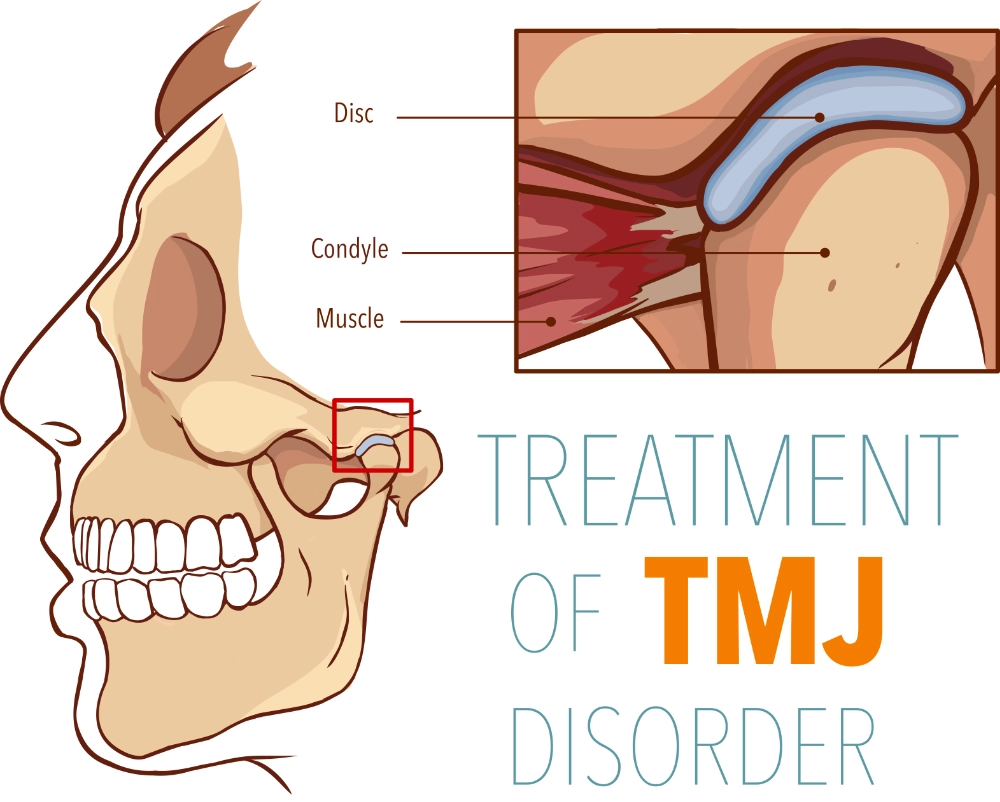
The temporomandibular joint is the hinge joint that connects your lower jaw (mandible) to your skull. You have one on each side of your face, just in front of your ears. These joints are responsible for every jaw movement you make — chewing, speaking, yawning, and swallowing. They work in coordination with a complex network of muscles, ligaments, and a small disc of cartilage that cushions the joint.
TMJ dysfunction — sometimes called TMD (temporomandibular disorder) — occurs when this system breaks down. The joint may become inflamed, the disc may shift out of position, or the surrounding muscles may go into chronic spasm. The result is a wide range of symptoms that can be surprisingly far-reaching.
Common Symptoms of TMJ Dysfunction
TMJ dysfunction doesn’t always announce itself with jaw pain alone. Many patients are surprised to learn that their headaches, neck stiffness, and even ear problems can trace back to this small but critical joint. Common symptoms include:
Jaw pain or tenderness — Pain or soreness in and around the jaw joint, particularly when eating or speaking, is often the first sign patients notice.
Clicking, popping, or grinding — An audible or palpable click or pop when opening and closing the mouth suggests the articular disc is shifting out of its normal position.
Limited jaw range of motion — Difficulty opening the mouth fully, or a jaw that locks open or closed, is a hallmark of more advanced TMJ dysfunction.
Headaches and migraines — Tension in the muscles of mastication (chewing muscles) radiates upward into the temples and skull, contributing to recurring headaches that are frequently misdiagnosed.
Ear pain, fullness, or ringing — The TMJ sits directly adjacent to the ear canal. Inflammation in the joint can produce earache-like pain, a sensation of fullness, or even tinnitus (ringing in the ears) without any actual ear pathology.
Neck and shoulder pain — Chronic muscle tension associated with TMJ dysfunction often radiates into the upper trapezius, sternocleidomastoid, and cervical musculature, creating a cycle of neck and shoulder stiffness.
Facial pain — A deep, diffuse ache across one or both sides of the face is common, sometimes extending toward the eye or temple.
What Causes TMJ Dysfunction?
TMJ dysfunction rarely has a single cause. In most cases, it develops from a combination of structural, postural, and behavioral factors that accumulate over time.
Cervical Spine Misalignment
This is one of the most overlooked connections in TMJ treatment. The upper cervical spine — particularly the atlas (C1) and axis (C2) vertebrae — has a direct neurological and biomechanical relationship with the jaw. When these vertebrae are subluxated (misaligned), they can alter the resting position of the jaw, create asymmetrical muscle tension, and compromise the nerve pathways that regulate jaw movement. Chiropractic correction of upper cervical subluxations is often a pivotal part of resolving TMJ dysfunction.
Forward Head Posture
The rise of screen-based work and smartphone use has made forward head posture epidemic. When the head sits forward of the shoulders, the lower jaw is pulled backward and downward through muscular compensation. This altered jaw position places chronic stress on the TMJ and is one of the most common postural contributors to TMJ dysfunction seen in chiropractic practice today.
Bruxism (Teeth Grinding and Clenching)
Grinding or clenching the teeth — often during sleep, but sometimes during periods of stress — generates enormous compressive forces on the TMJ. Over time, this wears down the articular disc, inflames the joint capsule, and creates chronic spasm in the muscles of mastication.
Direct Trauma
A blow to the jaw, a whiplash injury from a car accident, or even a prolonged dental procedure that requires holding the mouth open for extended periods can displace the articular disc and initiate a TMJ dysfunction cycle.
Stress and Muscle Hypertonicity
Emotional stress frequently manifests as physical tension in the jaw and neck. Chronically elevated muscle tone in the masseter, temporalis, and pterygoid muscles overloads the joint and prevents normal disc mechanics.
How Chiropractic Care Treats TMJ Dysfunction
What makes chiropractic particularly well-suited to TMJ treatment is the whole-body perspective chiropractors bring to diagnosis. Rather than treating the jaw in isolation, a chiropractic evaluation considers the entire kinetic chain — from the base of the skull to the pelvis — to identify the structural and postural factors that are driving the dysfunction.
Upper Cervical Spinal Adjustments
Restoring proper alignment to the upper cervical spine is frequently the most impactful intervention in chiropractic TMJ treatment. Precise adjustments to the atlas and axis reduce neurological interference, normalize muscle tone around the jaw, and restore the natural biomechanical relationship between the skull, cervical spine, and mandible. Patients often report rapid improvements in jaw mobility and pain reduction following cervical adjustments.
Direct TMJ Mobilization
Chiropractors trained in extremity adjusting can perform gentle mobilization of the TMJ itself. These techniques help restore normal disc position, reduce joint inflammation, and improve range of motion in patients whose jaw has become restricted or locked.
Soft Tissue Therapy
Myofascial release and trigger point therapy applied to the masseter, temporalis, pterygoid, and upper cervical muscles addresses the muscular hypertonicity that perpetuates TMJ pain. Releasing these trigger points can produce immediate reductions in facial pain and headache frequency. Instrument-Assisted Soft Tissue Mobilization (IASTM) may also be used to break down adhesions in the muscles and connective tissue surrounding the joint.
Postural Correction and Rehabilitation
Because forward head posture is such a significant driver of TMJ dysfunction, postural correction is an essential component of long-term treatment. Your chiropractor will assess your head and neck posture, identify the muscular imbalances contributing to the problem, and prescribe targeted exercises to strengthen deep cervical flexors, stretch the suboccipital and pectoral muscles, and retrain postural habits. Without correcting the postural foundation, symptomatic relief from joint mobilization or soft tissue therapy tends to be temporary.
Ergonomic and Lifestyle Guidance
Your chiropractor will work with you to identify behavioral and environmental factors that may be aggravating your TMJ — from workstation setup and phone use habits to sleep position and stress management strategies. Patients who are bruxing at night are often referred to their dentist for a custom night guard in coordination with chiropractic care to provide comprehensive protection for the joint.
What to Expect During TMJ Chiropractic Treatment
Your first chiropractic visit for TMJ dysfunction will typically begin with a thorough health history and physical examination. Your chiropractor will assess your jaw range of motion, palpate the joint and surrounding musculature, evaluate your cervical spine mobility and alignment, and analyze your posture. This comprehensive evaluation allows for an accurate diagnosis and a targeted treatment plan.
Many TMJ patients notice meaningful improvement within the first few visits, particularly in headache frequency and jaw mobility. Full resolution of symptoms, especially in chronic cases, typically requires a course of care that addresses both the acute joint dysfunction and the underlying postural and structural contributors. Your chiropractor will track your progress and adjust your treatment plan as you improve.
Don’t Let TMJ Pain Control Your Life
TMJ dysfunction is more than a nuisance — it can interfere with eating, speaking, sleeping, and your overall quality of life. The good news is that you don’t have to simply manage the symptoms with anti-inflammatory medications or live with the uncertainty of surgical options. Chiropractic care offers a proven, drug-free path to identifying and correcting the root causes of TMJ dysfunction so you can experience lasting relief.
If you’re experiencing jaw pain, chronic headaches, neck tension, or any of the other symptoms described in this article, we encourage you to take the next step. Call our office today to schedule a comprehensive evaluation. Our team will assess your jaw, cervical spine, and posture to develop a personalized treatment plan designed to bring you real, lasting relief — without drugs, without surgery, and without delay.
Frequently Asked Questions About TMJ Dysfunction and Chiropractic Care
Can a chiropractor really treat TMJ dysfunction?
Yes, chiropractors are well-qualified to treat TMJ dysfunction, particularly when the condition involves cervical spine misalignment, postural imbalances, or muscular dysfunction — which is the case for most patients. Chiropractic adjustments to the upper cervical spine, combined with soft tissue therapy and postural rehabilitation, address many of the root causes of TMJ dysfunction that other treatments miss entirely.
How is chiropractic care different from seeing a dentist for TMJ?
A dentist treating TMJ will typically focus on the jaw and teeth — providing night guards, bite adjustments, or dental appliances to reduce the mechanical stress on the joint. Chiropractic care complements this by addressing the spinal, postural, and muscular factors that drive TMJ dysfunction from the outside. Many patients achieve the best outcomes when chiropractic and dental care are used together as part of a coordinated treatment approach.
Is there a connection between neck pain and TMJ dysfunction?
Absolutely. The upper cervical spine and the TMJ share neurological pathways and work together as part of an integrated functional unit. Misalignment in the atlas and axis vertebrae can directly alter jaw mechanics, while chronic jaw tension consistently radiates into the neck and shoulders. This bidirectional relationship means that treating the neck is often essential for resolving TMJ symptoms — and vice versa.
Can stress cause TMJ dysfunction?
Stress is one of the most significant contributing factors to TMJ dysfunction. When we’re under psychological stress, we tend to clench our jaws, grind our teeth, and carry tension in the neck and face. Over time, this chronic muscular hypertonicity overloads the joint and disrupts normal disc mechanics. Chiropractic soft tissue therapy helps break the physical tension cycle, while postural and ergonomic guidance supports overall stress reduction.
How long does it take to see results from chiropractic care for TMJ?
Many patients notice improvement in jaw mobility and a reduction in headache frequency within the first two to four visits. Chronic or more complex TMJ cases may require a longer course of care, particularly when significant postural correction or disc repositioning is needed. Your chiropractor will provide a realistic timeline during your initial evaluation based on the severity and duration of your condition.
Will my TMJ dysfunction come back after chiropractic treatment?
Recurrence is possible if the underlying causes — such as poor posture, bruxism, or recurring cervical subluxations — are not fully addressed. That’s why our treatment approach focuses on correcting root causes, not just relieving immediate symptoms. Patients who complete a full course of care and follow through with postural rehabilitation and maintenance adjustments typically experience long-term relief with minimal recurrence.
Can children develop TMJ dysfunction?
Yes, TMJ dysfunction can affect people of all ages, including children and adolescents. In younger patients, contributing factors often include orthodontic changes, sports injuries, postural habits from heavy backpacks or prolonged device use, and stress-related bruxism. Chiropractic evaluation and gentle treatment are safe and appropriate for younger patients experiencing jaw pain, headaches, or related symptoms.
For More Information
We would be happy to answer any questions you have about this article, general spinal health or your specific situation. To discuss your symptoms and concerns call (208) 656-8883.
DID YOU ENJOY THIS ARTICLE?
If so, get email updates for free! Just leave your email address in the field provided below and we'll handle the rest.
NEED TO SCHEDULE AN APPOINTMENT?
Then call Dr. Todd Orchard at (208) 656-8883 today!
Orchard Chiropractic
160 E. Valley River Drive #3
Rexburg, Idaho 83440
How We Are Different
Dr. Orchard is a unique Rexburg chiropractor who specializes in difficult cases that have not responded to other care. All treatment plans are highly individualized based on your specific history, needs and goals.
Areas We Serve
We are located in Rexburg and serve the communities that reside in zip codes 83440, 83460, 83442, 83448, and 83445. However, we see patients from a large radius around Rexburg which include Brigham Young University, Rigby, Sugar City, and St. Anthony because of the unique, customized treatment options we offer.